
7 Must-Have Tips for Perfect Destination Weddings
Planning a destination wedding can be both exciting and daunting. With the right guidance, you can turn your dream wedding into a reality while ensuring everything goes smoothly. Whether you're saying 'I do' on a tropical beach or in a charming European city, here are seven essential tips to help you create the perfect destination wedding.
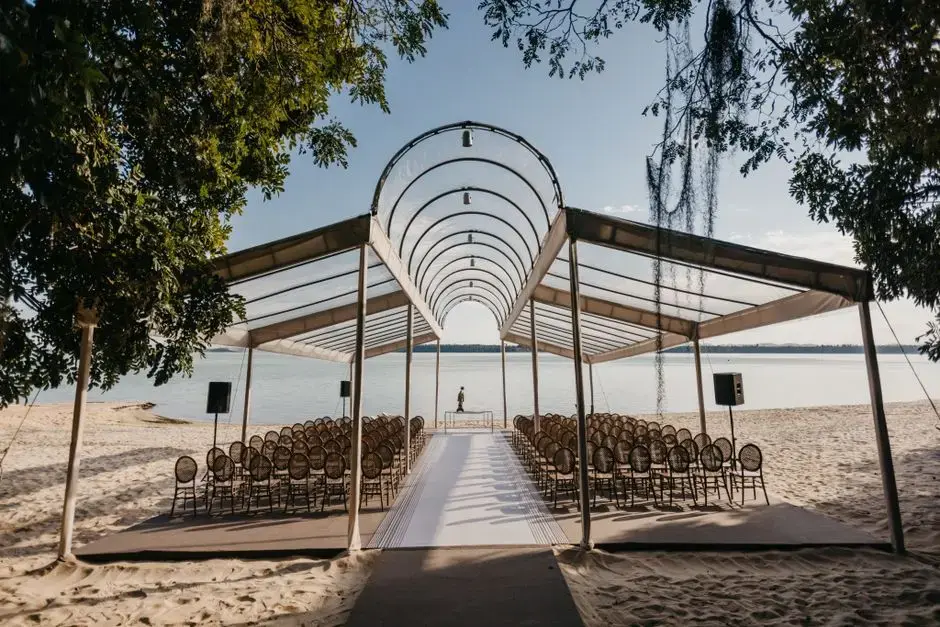
1. Choose the Right Location for You
Selecting a wedding location that reflects both your personalities and interests is key. Consider places that hold special meaning for you as a couple. Do you both share a love for the beach? Or perhaps a picturesque mountain view feels more like home. Understanding your preferences will help you narrow down options. The more personal the location feels, the more memorable the experience will be.
In addition to scenic beauty, think about accessibility for your guests. While an isolated island paradise might be tempting, consider how practical it is for loved ones to attend. Ideally, you want a destination that balances romance with convenience. A locale that offers hotels, restaurants, and activities will keep everyone entertained and focused on celebrating your special day.
2. Set a Realistic Budget
Destination weddings come with unique costs. Make sure to outline your budget early on, taking into account travel, accommodation, and local vendors. A clear budget will not only guide your decisions but also alleviate stress as the big day approaches. Start by identifying essential expenses, such as the venue, catering, and transportation.
Don’t forget to reserve a portion of your budget for unexpected expenses that might arise. From last-minute guest accommodations to special decor elements, inevitably, costs can creep up. To manage this, it can be helpful to have a spreadsheet that tracks every expense. Being diligent in this regard can mean the difference between a smooth planning process and later panic.
3. Plan Ahead for Guest Accommodations
Make it easier for your guests by booking a block of rooms at a nearby hotel. Providing clear information will help your loved ones make the trip with ease. As much as this day is about you, it’s essential to keep your guests in mind. They may face different challenges, especially if they travel from far away. Compiling a list of hotels, attractions, and activities can be a thoughtful touch.
Don’t forget to communicate important details such as flight options and local transportation. Your guests will appreciate any help you can provide in making their travel plans seamless. Consider setting up a wedding website where they can find all the necessary information, including directions and a FAQ section to answer common questions.
4. Consider the Weather and Season
Research the climate of your chosen destination and plan your wedding date accordingly. Choose a time of year that offers the best weather for an outdoor celebration. For example, a tropical destination may be lovely in the winter but overly humid in the summer. Timing your wedding to avoid the rainy season can also save you from unexpected hiccups.
Moreover, think about how the season might influence everything from your attire to your flowers. Seasonal blooms can not only be more beautiful but also more affordable, making everything blend together perfectly. Start by checking local climate averages, and feel free to reach out to local vendors who can offer expert advice about when to tie the knot for optimal weather conditions.
5. Hire a Local Wedding Planner
A local planner can provide valuable insights and help you navigate the logistics, ensuring you find the best local vendors for your needs. They possess the knowledge that can help you avoid potential pitfalls that might not be obvious from a distance. It can ease many of the burdens that come with planning a wedding in an unfamiliar locale.
When searching for a planner, look for someone who specializes in destination weddings. A seasoned planner will be familiar with local styles, trends, and even the regulations that may apply to your event. Their expertise can be invaluable, especially when it comes to coordinating schedules with vendors and obtaining necessary permits.
6. Plan for Legal Requirements
Every country has different legal requirements for weddings. Research what paperwork and permits you might need to make your marriage official. Knowing what to expect will make the process smoother and help you avoid last-minute emergencies that could put a damper on your celebration.
While some locations have minimal requirements, others might require documents such as birth certificates or affidavits. It’s wise to consider these factors as you move forward with your planning. Create a checklist to keep track of your documents and submissions, ensuring nothing slips through the cracks.
7. Embrace Local Culture and Traditions
Incorporate local customs or traditions into your wedding ceremony or reception. This not only enhances the experience but also makes it unique to your destination. Whether it’s featuring regional cuisine, traditional dance, or even incorporating local languages in your vows, these elements can add a personal touch that resonates with both you and your guests.
Embracing local customs shows respect for the culture and can make your day all the more authentic. It also provides an excellent opportunity for your guests to experience something new and exciting. This way, your destination wedding becomes more than just a celebration of love; it turns into a memorable cultural experience for everyone involved.


Comments